If you’ve ever spent 20 minutes killing time waiting for a bus or hanging out with friends, you’ve probably opened or seen someone play Ludo King. The digital adaptation of the classic Indian board game has amassed over a billion downloads worldwide, but most players only scratch the surface of its systems. Understanding how Ludo King works doesn’t just help you win more matches—it also clears up common frustrations about “rigged” dice or unfair matchups that many casual players complain about.
Core Game Rules That Define How Ludo King Works
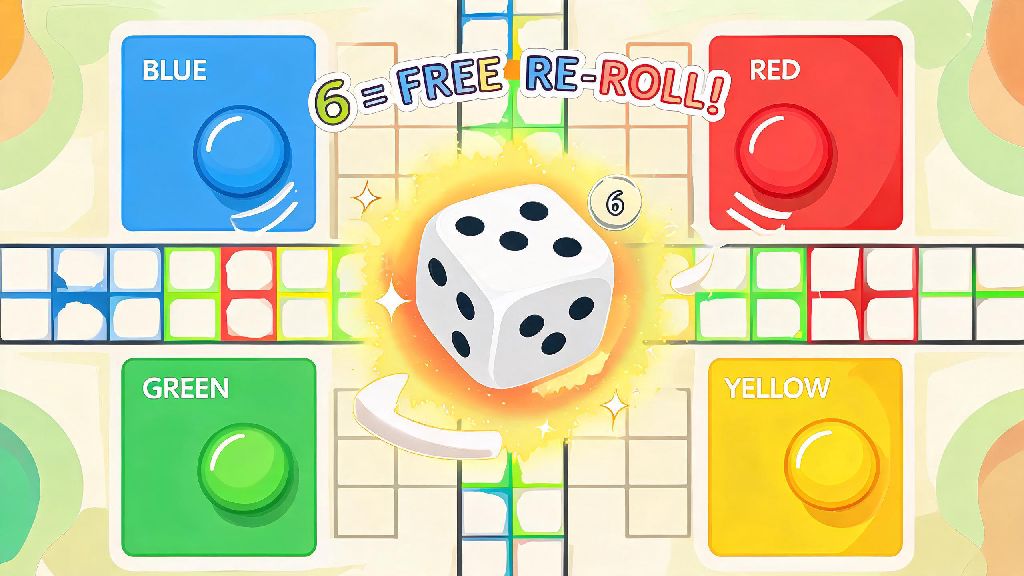
At its base, Ludo King follows the same core rules as the physical ludo board game you likely played as a kid. Each player gets four tokens of a unique color (red, blue, green, yellow) that start locked in their home base. You need to roll a 6 on the dice to move a token out of the base and onto the starting square of your color. 6-roll re-roll bonus applies here: every time you roll a 6, you get an extra turn to roll again, up to three consecutive 6s before your turn passes to the next player.
The goal is to move all four of your tokens around the 52-square board counterclockwise, then up your color’s final home stretch to the center finish square. If you land on a square with an opponent’s single token, you capture it, sending it all the way back to their home base and earning yourself an extra roll as a reward. Token capture mechanic has one key exception: if a player has two of their own tokens stacked on the same square, you can’t capture either of them, so stacking is a common defensive strategy for new players.
You don’t have to play with four players either. The game supports 2-player, 3-player, and 4-player matches, plus private room modes where you can play exclusively with friends instead of random online opponents. The only rule change for smaller matches is that unused color squares act as neutral spaces, with no capture or safe zone benefits for active players.
The Behind-the-Scenes Matchmaking Algorithm
Many new players assume Ludo King matches you with completely random opponents, but that’s not the case for most game modes. The game uses a skill-based matchmaking (SBMM) system that pulls data from your past 50 matches to pair you with opponents of similar skill level. It takes into account your overall win rate, how many matches you’ve played in the past week, your average number of captures per game, and whether you’re playing casual or ranked mode.
The system is designed to avoid one-sided matches where a player with a 70% win rate gets paired with someone who’s only played 10 total games. That means if you’re on a 3-match win streak, you’ll likely be matched with other players who are also on winning streaks, which can make matches feel harder even if you’re playing the same way you always have. A lot of players try to find modified versions of the game to bypass SBMM and play against easier opponents, but most of these unofficial builds come with malware or account theft risks. If you’re looking for a safe source of verified casual mobile games to fill time between Ludo King matches, you can check out YonoAppStore, which curates ad-light, secure versions of popular casual titles without the risk of stolen account credentials.
The SBMM system has its pros and cons, of course. The biggest upside is that most matches feel competitive, so you don’t get bored rolling over new players or frustrated by getting destroyed by people who’ve played for thousands of hours. The downside is that if you’re trying to climb ranked ranks, you’ll hit skill plateaus where you’ll need to actually improve your strategy instead of relying on lucky rolls to win. If you hit a streak of 4 or more losses, it’s best to take a 15-minute break instead of queuing again, as your tilted play will only make it harder to beat the similarly skilled opponents you’re being matched with.
Random Number Generation for Dice Rolls
The most common complaint you’ll see from Ludo King players is that the dice are rigged—either to make paying players win more, or to extend match length so players watch more ads. That’s not true, though. The game uses a certified random number generator (RNG) that’s audited regularly to ensure it produces fair, unbiased roll results every time. The RNG generates the number the second you tap the dice icon, so there’s no way to time your tap or manipulate your device to get a specific roll.
There is one small adjustment the system makes to roll probabilities, and it’s designed to reduce player frustration, not rig matches. If you roll 5 times in a row without getting a 6, the system slightly raises the probability of rolling a 6 on your next turn, up to a maximum of a 30% chance (compared to the standard 16.7% chance for any number on a 6-sided die). This adjustment stops matches from dragging on for 10 minutes while players sit waiting to get their first token out of the base.
There are dozens of common myths about Ludo King dice rolls that don’t hold up to scrutiny. We’ve broken down the most common ones below:
If you find yourself constantly complaining about bad rolls, try shifting your focus to strategy instead. Most matches are won by smart capture and stacking choices, not lucky 6 rolls at the end of the game.
In-Game Economy and Reward Systems
You’ve probably noticed you earn coins and diamonds after every match you play, even if you lose. These currencies are part of the game’s reward loop designed to keep players coming back daily, and none of them give players a competitive advantage in standard matches. Coins are earned from winning matches, completing daily challenges, and watching optional ads after games. You can use coins to join higher-stakes matches with bigger coin prize pools, or to create private rooms to play with friends without spending real money.
Diamonds are rarer, earned from daily login bonus streaks, ranking up in ranked mode, and occasional event rewards. You can use diamonds to buy custom dice skins, token designs, unique board themes, and ad-free play passes. None of these purchases change how the game plays, they just make your matches look more personalized, so you don’t have to spend any real money to be competitive at the highest ranks.
One thing to watch out for is third-party sites that sell discounted coins or diamonds for Ludo King. All of these sites are scams, and using them will get your account permanently banned. The only safe way to get extra currency is to earn it in-game or buy it directly through the official app store version of the game. The game also runs limited-time events every few weeks where you can earn double coins or exclusive skins for playing a certain number of matches, so it’s worth checking the events tab every time you open the app if you want to grind for new cosmetics.
Whether you’re a casual player who only opens the app when you’re waiting for food, or a ranked player trying to hit the top 100 leaderboard, understanding how Ludo King works will make your experience a lot more enjoyable. You’ll stop stressing about “rigged” dice, make smarter strategic choices during matches, and avoid common scams that target new players. Next time you queue up for a match, try using the rules and system details you learned here to adjust your play—you might be surprised how much your win rate improves.