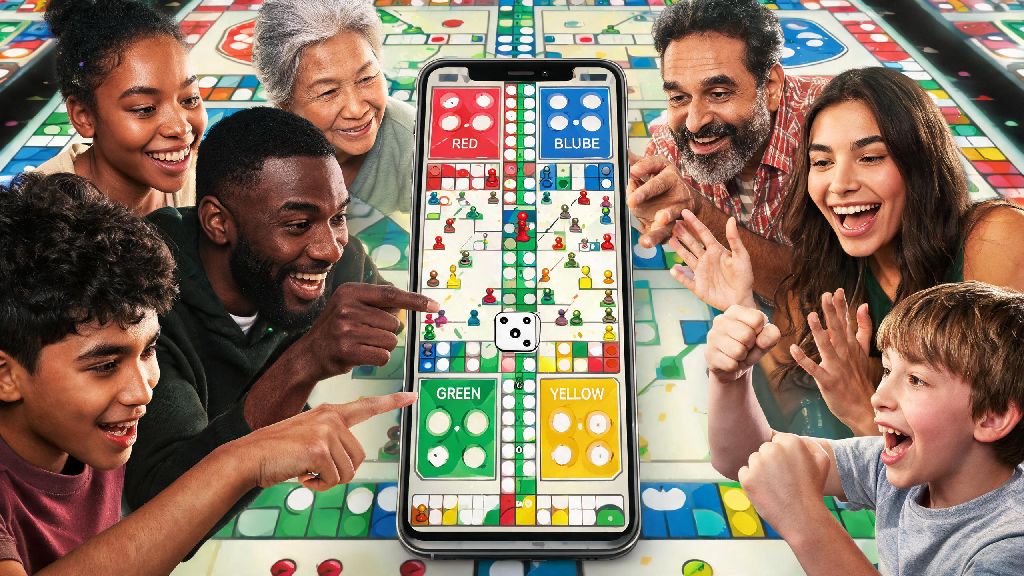
If you've ever spent 20 minutes yelling at your phone over a bad dice roll, or planned a virtual family game night around a single match, you've probably played Ludo King. It's one of the most popular mobile games in the world, with over 1.5 billion downloads to date, and it's become a staple for anyone looking for a quick, fun way to connect with people near or far. But few players stop to ask who developed Ludo King, or how a simple digital version of a classic board game became such a global hit.
Who Developed Ludo King? Meet the Studio Behind the Hit
Ludo King was built by Gametion Technologies, a small independent game studio based in Mumbai, India, founded by game developer Vikash Jaiswal. If you've ever wondered who developed Ludo King, the answer is a small team of Indian developers who cared more about making a fun game than making a quick buck. Jaiswal got his start making flash games for Indian audiences back in the early 2010s, when mobile internet was still expensive and most casual gaming happened on desktop computers. He grew up playing physical ludo with his family every Sunday, and he wanted to make a digital version that felt just as familiar and low-pressure as the real thing.
The first version of Ludo King launched in 2016, built by a team of just 8 developers over 6 months. Jaiswal has said in multiple interviews that he never expected the game to get big; he initially built it as a side project to test how well traditional board games would translate to mobile. Gametion Technologies remains a privately owned studio, with most of its 100+ staff based in India, and Jaiswal still leads the game's core development team to this day.
I was shocked when I first looked up the game's developer a few years ago. I'd assumed it was made by a big international game studio like King or Zynga, given how widely it's played. It's rare for a small independent studio from India to reach that level of global success, especially in the crowded casual gaming market.
The Unexpected Rise of Ludo King From Side Project to Global Phenomenon
Ludo King wasn't an overnight success. For the first three years after launch, it sat at a few million downloads, mostly popular among casual players in India who wanted a no-fuss ludo app. That all changed in 2019, when cheap 4G internet rolled out across most of India, making mobile gaming accessible to hundreds of millions of people who had never owned a smartphone before. The game's low data usage and simple design made it a perfect fit for first-time mobile users.
The real tipping point came in 2020, when global lockdowns left billions of people stuck at home, cut off from friends and family. Ludo King's private multiplayer rooms and in-game voice chat made it one of the easiest ways to hang out with loved ones without meeting in person. At its peak in 2020, Ludo King had over 300 million monthly active users worldwide, with more than 10 million matches played every hour.
The team scrambled to keep up with demand, adding new servers and rolling out small quality of life updates every week to stop the app from crashing. They also added support for more languages, including Spanish, Arabic, and Indonesian, which helped it catch on in markets outside of India. Today, nearly 40% of Ludo King's players are based outside of India, with huge user bases in the Middle East, Southeast Asia, and even parts of Latin America.
Core Design Choices That Made Ludo King Stand Out From Competitors
When Ludo King launched, there were already hundreds of other ludo apps available on the Google Play Store and App Store. But a handful of intentional design choices helped it pull ahead of all its competitors, and stay on top nearly 8 years later:
Jaiswal has said that he turned down multiple offers from investors early on who wanted him to add pay-to-win features to boost revenue. He refused, because he wanted the game to feel just as fair as the physical ludo board people grew up playing. The game's design prioritizes accessibility over flashy graphics, so it runs smoothly even on low-end smartphones that make up 60% of the mobile market in developing countries.
I can confirm this first-hand. I have an old budget Android phone I use for travel, and most multiplayer games either crash constantly or won't even download. Ludo King is one of the only apps that works perfectly, even when I'm on a bus in a small town with barely any mobile service. That accessibility is a huge part of why it's so widely loved.
What's Next For Ludo King and Its Development Team?
The Gametion team hasn't slowed down since the game's 2020 boom. They've added a bunch of new features over the past few years, including quick 5-minute ludo matches for people who don't have time for a full game, themed boards for holidays and special events, and official tournament modes with cash prizes in regions where it's legally allowed.
They're also testing a 3D version of the game for players who want a more immersive experience, but they've confirmed that the classic 2D mode will stay as the default option forever. They don't want to alienate long-time players who prefer the simple, familiar design they fell in love with. The development team still releases small updates every 2-3 months, most of which are based directly on user feedback sent through the in-game support form.
Jaiswal has also said that the team has no plans to sell the studio or the Ludo King IP to a larger game company, even after receiving multiple nine-figure offers. They want to keep control of the game's direction, so they can keep prioritizing player experience over short-term profit. They also run regular community charity events, including annual Ludo King tournaments where all proceeds go to disaster relief and education programs in rural India.
Next time you log on to play a quick match with your friends, or beat your grandma at her favorite board game from across the country, you'll know who developed Ludo King: a small team of passionate developers who wanted to bring a beloved childhood pastime to people all over the world. Ludo King's success proves that you don't need a huge budget or famous IP to make a hit game, just a clear understanding of what your audience wants, and a commitment to keeping it fair and accessible for everyone. I've been playing for almost 7 years now, and I'm excited to see what the team rolls out next.