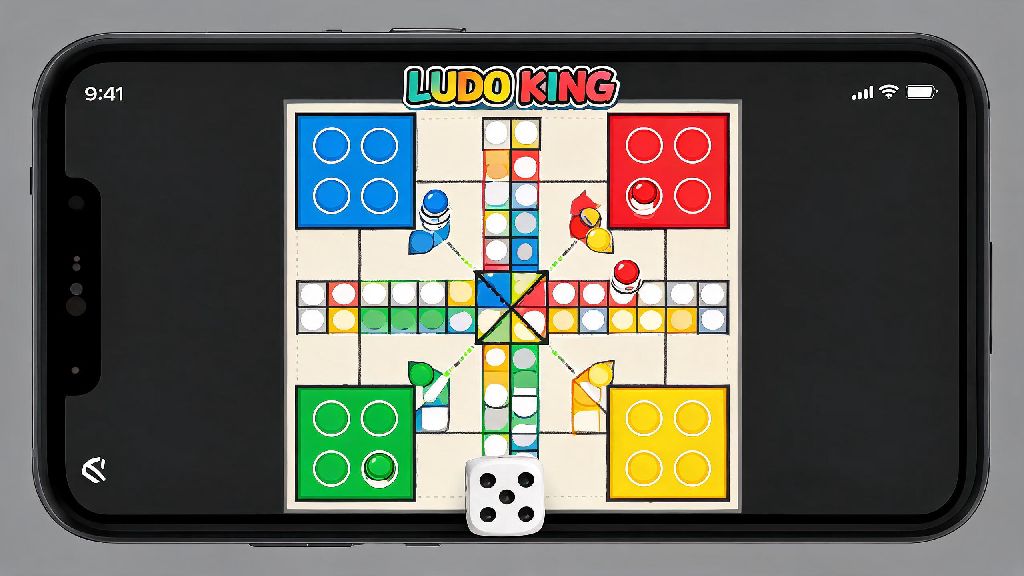
If you’ve ever killed a long train ride, lazy Sunday, or family gathering by rolling virtual dice and moving your colored tokens around a Ludo King board, you’ve probably wondered at least once who invented Ludo King game. The app is one of the most downloaded mobile games of all time, with over 1 billion downloads across Android and iOS platforms, and it’s become a staple for casual gamers across South Asia and beyond. It’s hard to believe that the game that feels like a digital version of the classic board game you grew up playing started as a small passion project, not a big-budget studio release. Let’s dive into the full backstory of how Ludo King came to be, who created it, and what made it such a massive global hit.
Who Invented Ludo King Game, Exactly?
The creator of Ludo King is Vikash Jaiswal, a computer science graduate and lifelong board game fan based in Mumbai, India. Jaiswal founded his independent game studio Gametion Technologies in 2008, and for the first seven years, the team focused on making small browser games for Indian users. He got the idea for Ludo King in 2015, when he tried to find a decent mobile ludo game to play with his family and realized every available option was buggy, filled with unskippable ads, or didn’t support offline play for local groups.
Jaiswal and his small team of 7 developers spent 8 months building the first version of Ludo King from scratch, with a focus on simplicity and accessibility above all else. They launched the app for Android in December 2016, with an iOS release following a few months later. I remember downloading the first version shortly after launch, and I was shocked at how smooth it was compared to every other ludo app I’d tried back then. It didn’t crash mid-game, it let me play with my friends over Bluetooth even when we didn’t have internet, and the interface looked just like the physical board I had as a kid.
Jaiswal didn’t have big ambitions for the game at first. He hoped it would get 100,000 downloads in its first year, enough to cover the development costs and keep the studio running. No one on the team expected it to grow into the global phenomenon it is today.
What Makes Ludo King Different From Other Ludo Apps?
There were dozens of ludo apps available when Ludo King launched, but none of them had the mix of features that made Jaiswal’s creation stand out to casual users. The team prioritized building for the majority of Indian mobile users first, who often use budget Android phones with limited processing power and spotty internet connections. That focus on accessibility ended up being their biggest competitive advantage.
The core features that drove Ludo King’s early viral growth include:
Another big difference was the team’s approach to ads. Most competing ludo apps ran unskippable 30-second ads after every single match, which made users delete them after a few plays. Ludo King only ran short, skippable ads every 3-4 matches, and offered a cheap ad-free upgrade for users who wanted to pay to remove ads entirely. That respect for user experience made people far more likely to recommend the app to their friends, and that word-of-mouth growth is what made it take off without any big marketing budget.
It also helped that the game stuck almost exactly to the traditional ludo rules most people already knew. There were no weird, confusing add-ons or pay-to-win mechanics that gave paying players an unfair advantage. Everyone plays by the same rules, no matter if you’re using the free version or paid ad-free version, which makes it feel fair for every user.
How Ludo King Became a Global Cultural Phenomenon
For the first three years after launch, Ludo King grew steadily, hitting 100 million downloads by the end of 2019. But the real inflection point came during the 2020 COVID-19 lockdowns, when billions of people around the world were stuck at home and looking for ways to connect with friends and family they couldn’t see in person. Downloads spiked 300% in just 3 months between March and May 2020, and the app hit 500 million total downloads by the end of the year.
People started using Ludo King for all kinds of social events they couldn’t hold in person. Families hosted Ludo King nights for Diwali and Holi, friends used it for birthday parties, and even offices started hosting casual Ludo King tournaments to boost team morale during remote work. The team added new features like private room links that let you invite people to a match with a single tap, which made it even easier to organize group games with people anywhere in the world.
It didn’t take long for the game to spread beyond South Asia, too. It’s now a top 10 casual game in over 30 countries including Indonesia, Pakistan, Bangladesh, Nigeria, and even parts of the Middle East and Europe. Jaiswal has said in interviews that the team never planned for global success, they built the game for Indian users first, but the simple, universal appeal of ludo translates everywhere. People of all ages and backgrounds know how to play the game, so there’s no learning curve for new users no matter where they live.
As of 2024, Ludo King has over 100 million monthly active users, and the team has grown to over 100 people working on new features, tournament modes, and themed updates for different holidays and regions. It’s one of the most successful independent mobile games ever made, and it’s proof that indie studios can compete with big international gaming companies if they build products that fit their audience’s needs.
Common Myths About Ludo King’s Origin Debunked
With a game as popular as Ludo King, it’s no surprise that a lot of false rumors about its creation have spread online over the years. Let’s clear up some of the most common myths people still believe.
The first myth is that Ludo King was made by a big international gaming studio. That’s completely false. Ludo King is a 100% Indian indie game, built by a small team in Mumbai, and Gametion Technologies is still fully owned and operated by Vikash Jaiswal. They’ve never taken funding from big international gaming companies, and they still make all decisions about the game in-house.
Another common myth is that Jaiswal invented Ludo King to profit off lockdown boredom. That’s also wrong. The game launched three full years before the 2020 lockdowns, and the team spent years refining it before it blew up. The lockdowns just accelerated growth that was already happening, they didn’t cause it. Jaiswal has said that if the game hadn’t been polished and popular already, it never would have gone viral during the lockdowns, because users had hundreds of other games to choose from.
The last big myth is that Ludo King is a copy of another popular ludo app. That’s not true either. Jaiswal and his team built every part of the game from scratch, using the public domain rules of traditional ludo as a base. All of the unique features like Bluetooth play, regional language support, and voice chat were built by Gametion’s team, and they hold full copyright and trademark for the Ludo King brand and game code. You might see random social media posts claiming other people invented the game, but those are almost always fake, and there’s no official evidence to back them up.
Next time you log on to play a quick match with your cousins or beat a random stranger in an online game, you’ll know exactly who invented Ludo King game, and how a small passion project from a game developer who loved his childhood board games turned into a global sensation. It’s a great reminder that you don’t need a huge budget or a team of hundreds to make a hit product—you just need to build something that solves a real problem for people, and feels familiar enough to be comforting, but polished enough to be fun. If you haven’t tried it in a while, you might be surprised by all the new features they’ve added over the years, from themed boards to tournament modes that let you win real prizes. At the end of the day, that’s the magic of Ludo King: it’s just as fun to play now as it was when it first launched, and it brings people together no matter where they are.